Asia-Pacific · 10 profiles
Eight listings across seven exchanges
Eight of these ten companies went public, on exchanges in Taipei, Tokyo, Seoul, Hong Kong, Jakarta and New York. The other two were bought by American acquirers.
This is the widest span of the four regions. Terry Gou listed Hon Hai on the Taiwan Stock Exchange in 1991, nine years before anything else here, and William Tanuwijaya took Tokopedia public in Jakarta in 2022. Hiroshi Mikitani listed Rakuten on JASDAQ in 2000, and Lee Hae-jin listed NHN, the merged Naver and Hangame business, on KOSDAQ in 2002. Neither listing has a reliably documented amount raised, and the profiles say so rather than quoting a number nobody can check.
The founders who wanted American money went and got it. Forrest Li took Sea Limited to the NYSE in 2017 and raised $884 million. Mike Cannon-Brookes and Scott Farquhar listed Atlassian on Nasdaq in 2015 from Sydney. Anthony Tan and Tan Hooi Ling took Grab onto Nasdaq in 2021 through a SPAC merger valued at $39.6 billion, the largest of its kind at the time. Tan Min-Liang kept Razer closer to home and listed in Hong Kong in 2017.
Only two were bought. Walmart paid $16 billion for 77% of Flipkart in 2018, and Block, then still called Square, announced an all-stock deal for Afterpay at $29 billion in 2021. Both buyers were American. The Afterpay deal was all stock, and by the time it closed in January 2022 Block’s share price had fallen far enough to put the effective value at about $13.9 billion.
Every profile
The 10 Asia-Pacific founders, one by one
Each profile carries the bio, how the deal came together, and links to the original reporting.
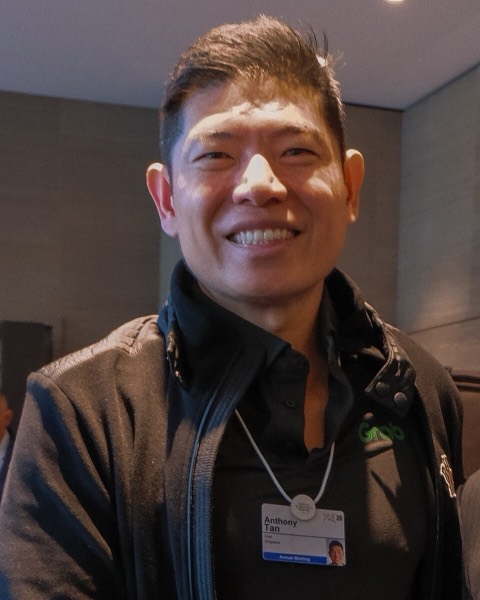
Anthony Tan & Tan Hooi Ling
Grab
Singapore
Forrest Li
Sea Limited
Singapore

Sachin Bansal & Binny Bansal
Flipkart
Bengaluru, India
Nick Molnar & Anthony Eisen
Afterpay
Sydney, Australia

Mike Cannon-Brookes & Scott Farquhar
Atlassian
Sydney, Australia
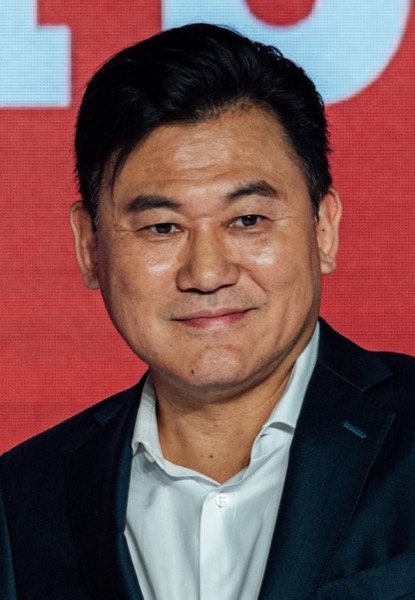
Hiroshi Mikitani
Rakuten
Tokyo, Japan
Lee Hae-jin
Naver (NHN)
Seongnam, South Korea
Tan Min-Liang
Razer
Singapore / Irvine, California
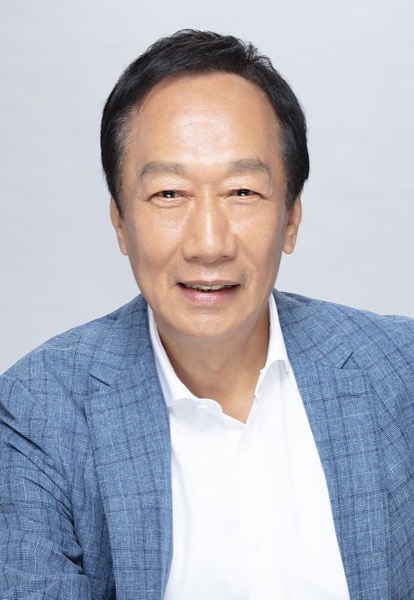
Terry Gou
Foxconn (Hon Hai Precision Industry)
New Taipei City, Taiwan
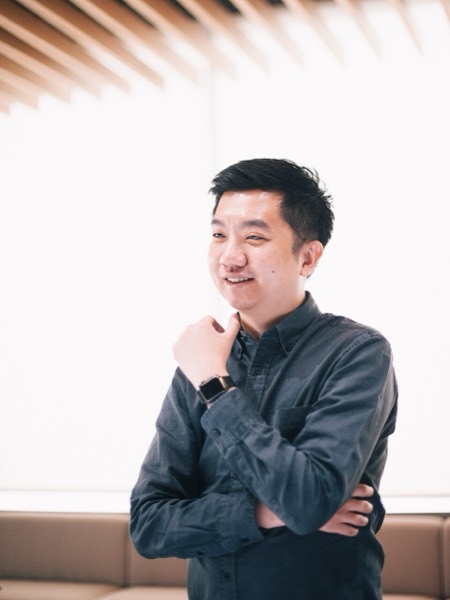
William Tanuwijaya
Tokopedia (GoTo Group)
Jakarta, Indonesia